Blog

How to Program Your Hunter Sprinkler System

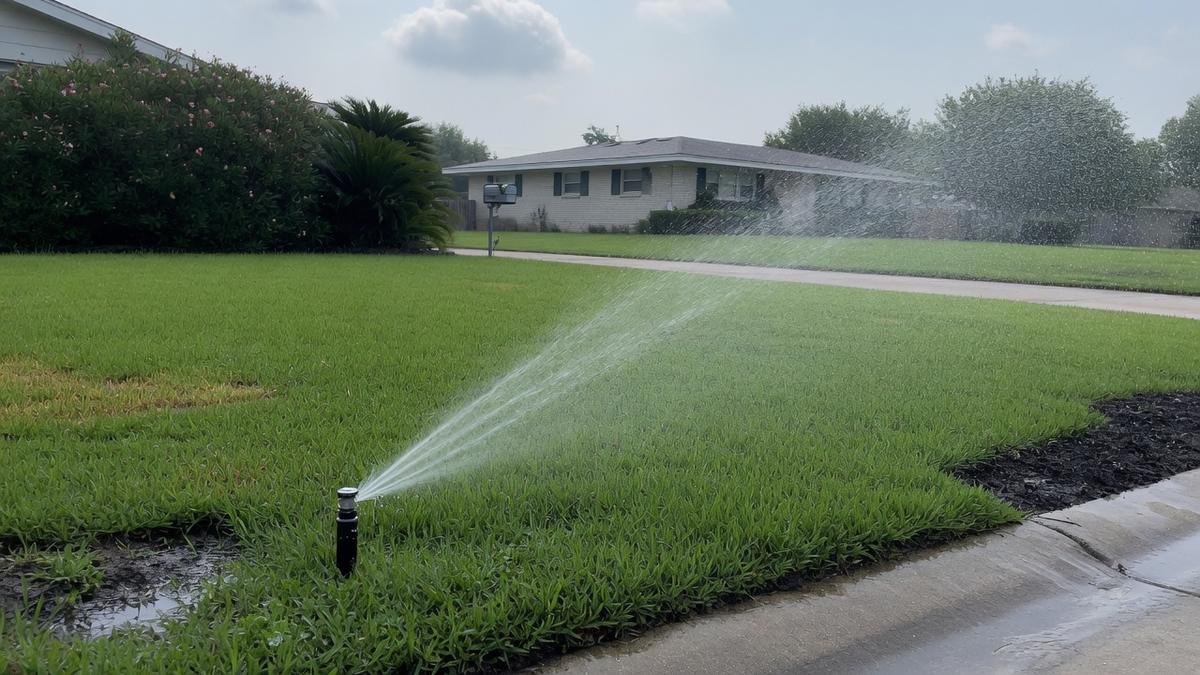
Are you looking to take control of your Hunter Sprinkler System for optimum lawn and garden care? Programming your irrigation setup can save you time and resources, all while keeping your landscape vibrant and healthy. Here, we’ll walk through the general steps on how to program your Hunter Sprinkler System. Before proceeding, ensure that you have the model number of your Hunter controller, as instructions may vary slightly between models. It’s also wise to consult the manual specific to your model, but the following steps will guide you through the general programming process. Step 1: Set the Current Date and Time Locate the control panel on your Hunter Sprinkler System. Power on the device and locate the “Date/Time” setting. This is often found under a basic settings menu. Use the arrows or dial to set the current date and time. Make sure this is accurate, as it will affect all scheduled watering times. Step 2: Program the Start Times Navigate to the “Start Times” menu on your control panel. Choose the program you want to adjust – most systems allow for multiple programs to manage different zones/schedules. Set the desired start time for the chosen program. You can set multiple start times if you want the system to run more than once a day. Step 3: Set the Watering Schedule Access the “Days to Water” or similar option in the menu. Specify the days of the week you would like the system to irrigate your landscape. Alternately, you can choose the interval option (e.g., every 2 days). Some models offer odd or even day programs, which are useful for following local watering regulations. Step 4: Adjust Run Times for Individual Zones Enter the “Run Times” menu where you will see zones listed. Select the zone number you wish to set run times for. Use the plus or minus symbols, or the dial, to adjust the watering duration for that zone. The unit is usually in minutes. Step 5: Review and Save Your Program Settings Some controllers may require you to select a ‘Save’ option to retain your programming actions. Review each setting to verify that the date, time, start times, watering days, and run times are programmed as you desire. Step 6: Manual Overrides (if necessary) Know how to operate the manual override function, should you need to stop or start the system outside of the set schedule. Typically, this includes a “Manual Start/Advance” button on the controller. Additional Tips Take advantage of Hunter’s features such as seasonal adjustment or cycle and soak, if your model has these options, to customize watering based on the season or to prevent run-off. Consider weather sensors or smart controllers from Hunter that automatically adjust watering schedules based on the local weather conditions. Remember, proper programming of your Hunter Sprinkler System not only conserves water but also promotes a thriving outdoor space. If you encounter challenges, consult your Hunter product manual or reach out to their customer support. Programming your sprinkler system might take a little time to perfect, but the efficient water management and beautiful results make it a valuable skill for any homeowner. With these steps, you’re on your way to becoming a proficient landscape irrigation manager! If you have any questions or need any type of sprinkler system repair, the experts at Houston Sprinkler Repair will be glad to help. Give us a call or 346-642-6161 to set an appointment.

How to Repair a Lateral PVC Irrigation Line

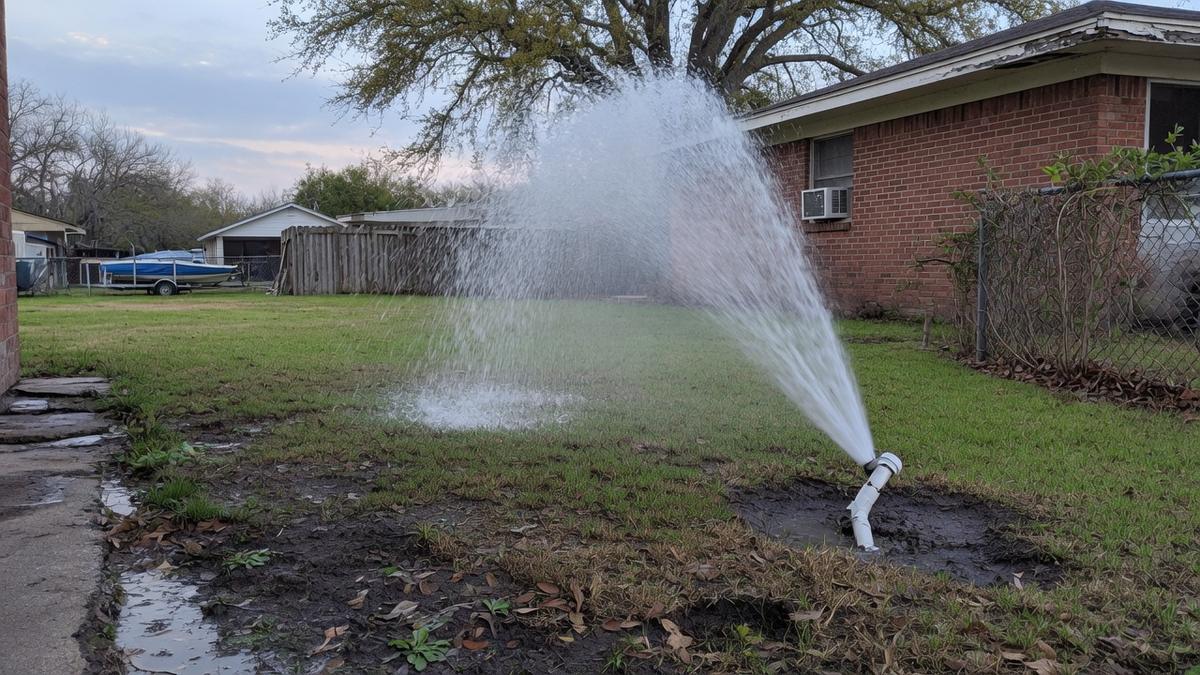
Repairing a lateral PVC irrigation line can seem daunting, but with the right tools and a step-by-step guide, you can tackle the task efficiently. This guide will walk you through the process of repairing a broken or damaged lateral PVC irrigation line. Tools and Materials You’ll Need PVC pipe cutter or hacksaw PVC pipe (matching the diameter of your existing line) PVC couplings or repair fittings PVC primer and cement Measuring tape Marker or pencil Safety gloves and glasses Step-by-Step Repair Guide Step 1: Identify the Damage First, locate the specific area of the lateral PVC line that needs repair. Look for visible cracks, breaks, or leaks when the system is running. Mark the damaged section with a marker or pencil. Step 2: Turn Off the Water Supply Before any repair work begins, ensure the water supply to the irrigation system is completely turned off. This will prevent any water from flowing through the pipes during the repair process. Step 3: Cut Out the Damaged Section Using a PVC pipe cutter or hacksaw, carefully cut out the damaged section of the pipe. Make sure your cuts are straight and clean. Remove any burrs or rough edges with a deburring tool or sandpaper. Step 4: Measure and Cut the Replacement Pipe Measure the length of the removed section of PVC pipe. Cut a new piece of PVC pipe to match this length, ensuring the cuts are straight and precise. Step 5: Prepare the Pipe and Fittings Dry-fit the replacement pipe and PVC couplings or repair fittings to ensure they fit correctly. Once satisfied with the fit, use PVC primer to clean both the ends of the new pipe and the insides of the fittings. This ensures a strong bond. Step 6: Apply PVC Cement Apply a generous amount of PVC cement to the primed ends of the pipe and the insides of the fittings. Quickly join the pipe and fittings together, twisting slightly to evenly distribute the cement. Hold them in place for a few seconds to allow the cement to set. Step 7: Allow the Cement to Cure Refer to the PVC cement manufacturer’s instructions for the recommended curing time. It’s crucial to let the cement fully cure before turning the water supply back on to prevent any leaks. Step 8: Test the Repair Once the cement has cured, turn the water supply back on slowly and check for any leaks in the repaired section. If there are no leaks, your repair is complete! Tips for a Successful Repair Always wear safety gloves and glasses to protect yourself from any sharp edges and chemicals. Ensure all connections are completely dry before applying primer and cement. Work quickly but carefully when applying cement, as it dries fast. Double-check measurements before cutting to avoid any mistakes. By following this guide, you’ll be able to repair your lateral PVC irrigation line effectively, ensuring your irrigation system continues to run smoothly. If you have any questions or need any type of sprinkler system repair, the experts at Houston Sprinkler Repair will be glad to help. Give us a call or 346-642-6161 to set an appointment.

How to Repair Broken Sprinkler Heads

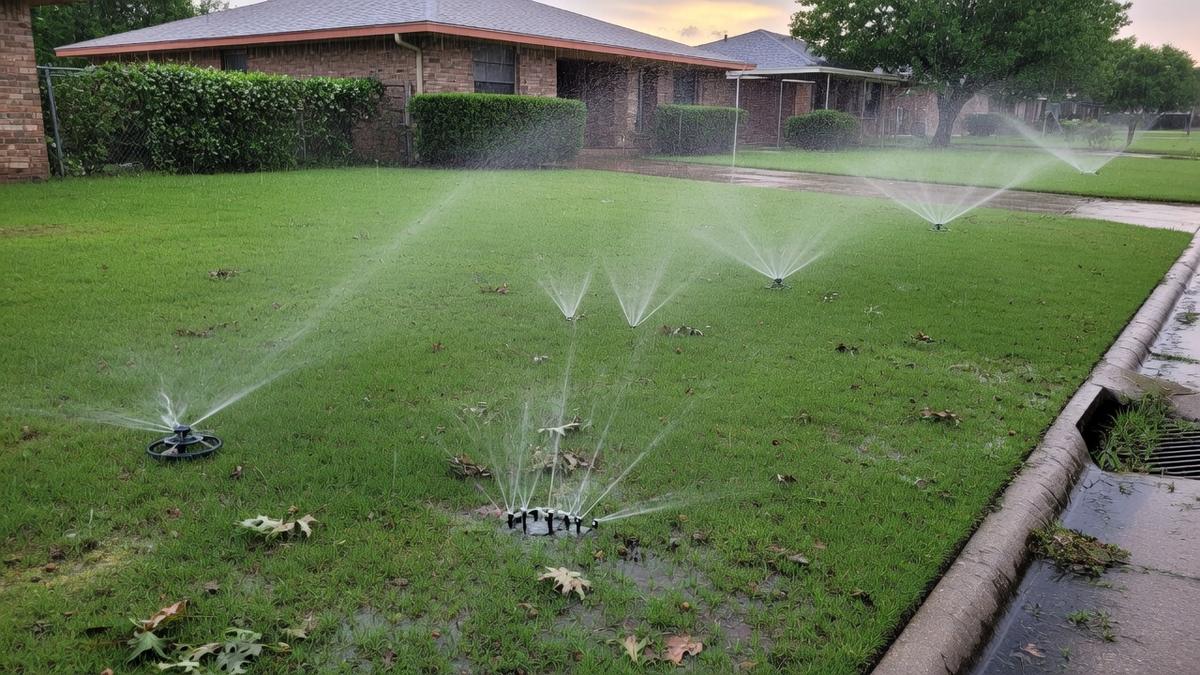
Sprinkler systems are essential for maintaining lush gardens and lawns, but occasionally, they can break. One of the most common issues is broken sprinkler heads. Here’s a step-by-step guide to help you fix them. Step 1: Diagnose the Problem Before starting the repair, make sure the problem comes from the sprinkler head itself and not from other parts of the system such as the valves or pipes. Step 2: Gather Your Materials You will need: Replacement sprinkler heads A shovel or trowel Plumbers’ tape A wrench (optional) Step 3: Shut Off the Water Supply Always shut off the water to your sprinkler system before attempting to make repairs to avoid injury or further damage. Step 4: Excavate around the Broken Head Carefully dig around the broken sprinkler head, trying not to damage any underground lines. Remove enough earth to work on the sprinkler head comfortably. Step 5: Remove the Broken Sprinkler Head Unscrew the broken head from the riser. If it’s difficult to turn, use a wrench. Be careful not to disturb or break the riser. Step 6: Prepare the New Sprinkler Head Use plumbers’ tape to wrap the threads of the new head, which will help prevent leaks. Step 7: Install the New Head Screw the new sprinkler head onto the riser. Make sure it’s facing the right direction for optimal coverage and that it’s level with the ground. Step 8: Backfill the Hole Replace the dirt around the new head, and pack it down gently. Make sure the head isn’t too high or too low. Step 9: Test the System Turn the water back on and run the sprinkler system to ensure the new head operates correctly. Step 10: Adjust if Necessary Once water is running, adjust the spray pattern as needed on the new head to ensure even coverage of your lawn or garden.   With the right tools and a bit of know-how, replacing a broken sprinkler head can be a simple DIY project. Regular maintenance checks can help prevent future issues and ensure your sprinkler system runs efficiently all season long. If you’re not comfortable performing this repair yourself, it’s best to call a professional who specializes in sprinkler repairs to do the job for you.   If you have any questions or need any type of sprinkler system repair, the experts at Houston Sprinkler Repair will be glad to help. Give us a call or 346-642-6161 to set an appointment.

How to Deal with Leaky Sprinkler Valves

Introduction Having a lush, green lawn is often the pride of homeowners, but it requires a well-functioning irrigation system. One of the common issues that can sabotage your garden’s health is a leaky sprinkler valve. It not only wastes water but also potentially harms your plants due to overwatering and increases your water bill. Understanding the causes of leaky valves and knowing how to fix them is essential for maintaining an efficient lawn watering system. Causes of Leaky Sprinkler Valves A sprinkler valve may leak for several reasons, including: Wear and Tear: Over time, the diaphragm inside the valve can become worn or damaged. Debris: Small particles of dirt or sand can prevent the valve from closing properly. Pressure Issues: High water pressure can damage valves, causing leaks. Improper Installation: If valves aren’t installed correctly, they may not seal. Freezing Temperatures: In cold climates, water in the valve can freeze and expand, causing cracks and leaks. Steps to Fix Leaky Sprinkler Valves Before you begin, make sure to shut off the water supply to avoid any accidents. Identify the Problem Valve: Turn on each zone separately to determine which valve is leaking. Inspect for Visible Damage: Look for cracks or signs of wear on the valve body. Clean or Replace the Diaphragm: Turn off the water to the system. Unscrew the solenoid (the cylindrical component on top of the valve). Remove the screws or bolts holding the valve together. Carefully take the valve apart and remove the diaphragm. Clean the diaphragm and valve seat of any debris or replace if damaged. Check the Solenoid: If the diaphragm appears to be in good shape, inspect the solenoid. Corrosion or a malfunction can cause leaks. Examine O-Rings and Seals: Over time, O-rings and seals can degrade. Check these components and replace them if they are cracked or brittle. Reassemble the Valve: Once all components are clean and intact or replaced, carefully reassemble the valve. Turn on the Water: Restore the water supply gently to check if the problem persists. Professional Consultation: If the leak continues after troubleshooting, contact a professional for help. Preventative Maintenance To minimize future leaks, perform regular maintenance: Flush the system at the start and end of the season to clear debris. Reduce water pressure if it’s consistently too high. Insulate your valves to protect from freezing in colder climates. Regular inspections and maintenance can prevent most causes of leaky sprinkler valves. Addressing issues promptly will save you water, money, and keep your garden in top condition. Remember, if DIY fixes do not resolve the issue, seek assistance from a qualified professional. Tips for Leak Prevention Filter Installation: Installing a filter on the main supply can help keep debris out of the valves. Regular Check-Ups: Periodic inspections during the watering season can catch small issues before they turn into larger problems. Quality Parts: When replacing parts, choose high-quality components that offer better durability. By taking these proactive steps, you can ensure your sprinkler valves function effectively, keeping your lawn hydrated and healthy without unneces. If you have any questions or need any type of sprinkler system repair, the experts at Houston Sprinkler Repair will be glad to help. Give us a call or 346-642-6161 to set an appointment.

Expert Sprinkler Repair Services in Houston

Houston’s hot and humid climate means your lawn needs consistent and efficient watering to stay lush and green. That’s where we come in—providing top-tier sprinkler repair services to ensure your sprinkler system is always at peak performance. Why Choose Us for Your Sprinkler Repair Needs? Experienced Professionals Our team of skilled technicians brings years of experience to every repair job. We’ve seen it all, from simple fixes to complex system overhauls, and we have the knowledge to get your sprinklers running smoothly again. Comprehensive Service We don’t just fix the problem at hand; we conduct a thorough inspection to identify any potential issues that could cause problems down the line. Our comprehensive approach ensures your system is optimized for efficiency and longevity. Quality Parts and Tools We use only the highest quality replacement parts and the latest tools to repair your sprinkler system. This commitment to quality means you can trust that your repairs will last. Exceptional Customer Service We pride ourselves on our exceptional customer service. We understand the inconvenience of a malfunctioning sprinkler system, so we strive to complete repairs quickly and efficiently, causing minimal disruption to your daily life. Competitive Pricing We believe in fair and transparent pricing. Before any work begins, we’ll provide you with a detailed estimate, so you know exactly what to expect. No surprises, just honest, competitive pricing. Our Sprinkler Repair Services Include: Leak Detection and Repair: Leaks can waste water and damage your property. We’ll find and fix any leaks, big or small. Sprinkler Head Adjustment and Replacement: Incorrectly aimed or damaged sprinkler heads can lead to dry spots or water waste. We’ll make sure your sprinkler heads are in top shape. System Tune-ups: Regular maintenance can prevent major breakdowns. Our tune-up service includes checking system pressure, cleaning filters, and adjusting settings for optimal performance. Controller Troubleshooting and Replacement: The brain of your sprinkler system needs to function perfectly. We can fix or replace faulty controllers to ensure your system runs like clockwork. Coverage Issues: If parts of your lawn are getting too much or too little water, we’ll recalibrate your system for even, efficient coverage. Ready for Reliable Sprinkler Repair in Houston? Don’t let sprinkler problems drown your lawn’s health or inflate your water bill. Contact us today for expert sprinkler repair services in Houston. We’re here to help your lawn thrive, rain or shine. Call us now or visit our website to schedule your service. With us, you’re just a step away from a perfectly functioning sprinkler system that keeps your lawn looking its best. Seasonal Maintenance Tips for Your Sprinkler System To ensure your lawn remains vibrant and your sprinkler system operates efficiently throughout the year, adopting a seasonal maintenance routine is crucial. Here are some tips tailored for each season: Spring System Start-Up: Begin with a careful inspection to check for winter damage. Slowly open the main water valve to avoid a surge that can crack pipes. Check for Leaks and Blockages: Inspect sprinkler heads and pipes for leaks or blockages, which are common after winter. Adjust Sprinkler Heads: Realign any sprinkler heads that have been moved during winter, ensuring even water distribution. Summer Monitor Water Usage: Summer demands more from your sprinkler system. Adjust the watering schedule based on rainfall to prevent overwatering. Inspect Sprinkler Heads Regularly: Frequent use means more wear and tear. Keep an eye out for damaged or clogged heads. Optimize Watering Times: Water early in the morning to reduce evaporation and wind interference. Fall Prepare for Winter: In areas with freezing temperatures, it’s essential to winterize your system. This usually includes shutting off the water supply and draining water from the pipes to prevent freezing and cracking. Reduce Watering Frequency: As temperatures drop, your lawn requires less water. Adjust your system accordingly. Winter System Shut Down: If you haven’t already, ensure your system is fully winterized before the first freeze. Plan for the Next Season: Winter is a great time to evaluate your sprinkler system’s performance and plan any upgrades or repairs for the spring. Seasonal maintenance is key to a long-lasting, efficient sprinkler system and a healthy, beautiful lawn year-round. Regular checks and adjustments can prevent major repairs, saving you time and money. Don’t hesitate to reach out to professionals like us for assistance with your sprinkler maintenance needs.   If you have any questions or need any type of sprinkler system repair, the experts at Houston Sprinkler Repair will be glad to help. Give us a call or 346-642-6161 to set an appointment.

Expanding Your Garden’s Reach: Adding Sprinkler Zones for Better Irrigation

Creating a flourishing garden often involves extending its boundaries to accommodate more plant varieties and larger green spaces. With this expansion comes the need for improved irrigation to ensure each part of the garden receives adequate water. When you add multiple sprinkler zones, you’re investing in the health and beauty of your landscape. Understanding the Importance of Sprinkler Zones By dividing your garden into sprinkler zones, you can optimize water usage and ensure that each distinct area of your garden receives the right amount of hydration. This avoids the common problem of overwatering some areas while under-watering others. It’s a targeted approach that benefits plants by catering to their specific needs and supports sustainable water use. Planning Your Sprinkler Zone Layout Before you extend your irrigation system, it’s crucial to consider the following: Design for Diversity: Different plants require different amounts of water. Design your sprinkler zones based on plant type and their sunlight exposure. Evaluate for Efficiency: Ensure each sprinkler head is strategically placed to maximize coverage and reduce waste. Consider the Conditions: Acknowledge the slope of your land, the type of soil present, and the typical wind conditions. These factors can influence water distribution. Setting Up Additional Sprinkler Zones Here’s a basic guide to adding new zones to your irrigation system: Assess Your Current System: Determine if your existing sprinkler system can accommodate additional zones or if an upgrade is necessary. Map It Out: Physically mark out where new sprinkler heads will go and how they’ll be grouped into zones. Choose the Right Equipment: Select sprinkler heads suitable for the specific watering needs of each zone. Opt for drip lines for zones focusing on shrubs and flower beds. Install Zone Valves: Each zone requires a valve that acts as the system’s control point. Valves regulate the flow of water to the sprinklers. Connect Piping: Lay down pipes from the mainline to the new zones, ensuring proper connection to the valves. Electrical Work: Wire the new valves to the control box, following electrical codes and safety guidelines. Test Your System: Once installed, run water through the new zones to test for coverage and adjust heads as necessary. Program the Control Box: Set different watering schedules for each zone based on plant requirements and local watering restrictions. Mulch and Cover: After testing, ensure the sprinkler heads are at the right height and cover any exposed piping with soil or mulch. Best Practices for Maintenance Regularly inspect your system for leaks or faulty heads. Adjust sprinkler heads to avoid water hitting pavements or non-garden areas. Periodically clean filters in sprinkler heads to maintain water pressure and flow. Sustainable Irrigation Consider integrating rain sensors or smart controllers that adjust watering based on weather conditions. This technologically advanced approach helps conserve water and can also save you money on your water bill. Expanding your garden’s irrigation system with additional sprinkler zones isn’t just about maintaining its aesthetic. It’s a step towards creating a healthy, sustainable outdoor space that thrives in all conditions. With careful planning and execution, your garden will be better equipped to grow and sustain vibrant life through the seasons. If you have any questions or need any type of sprinkler system repair, the experts at Houston Sprinkler Repair will be glad to help. Give us a call or 346-642-6161 to set an appointment.

Best Time to Water Your Grass

Caring for your lawn requires knowing the optimal watering schedule that not only ensures your grass stays green but also conserves water and matches your grass type’s specific needs. When it comes to popular grass types like St. Augustine and Bermuda, understanding when to water is vital for their health and your lawn’s overall appearance. Optimal Watering for St. Augustine Grass St. Augustine grass thrives in warm climates and maintains its lushness with the right watering regimen. Here’s how to best water this type of grass: Early Morning Watering: The best time to water St. Augustine grass is in the early morning, ideally before the sun is high in the sky—between 4 AM and 6 AM. This allows the water to penetrate deeply into the soil while minimizing evaporation. Deep and Infrequent: Water St. Augustine grass deeply but infrequently to encourage deep root growth. Aim for about 1 inch of water per session. This might mean watering one to two times per week, depending on your local climate and season. Adjust for Seasons: Increase watering frequency during hot, dry summer months, and reduce it during cooler seasons or periods of rainfall. Optimal Watering for Bermuda Grass Bermuda grass is known for being drought-tolerant, but it still benefits from a regular watering schedule: Morning is Key: Similar to St. Augustine, water Bermuda grass early in the morning—again between 4 AM and 6 AM—to maximize water absorption and prevent fungal growth. Quantity and Frequency: Bermuda grass generally requires less water. About 1 to 1.25 inches per week should be sufficient. Adjust based on rainfall, as overwatering can weaken the grass roots. Seasonal Considerations: Cut back the watering in the cooler months or when the grass goes dormant in colder climates. Increase watering slightly during peak heat periods. General Watering Tips Check Soil Moisture: Before watering, check the soil moisture. If the first few inches of soil are dry, it’s a good time to water. Water Conservation: Use sprinklers that distribute water evenly and consider installing a smart irrigation system that can adjust based on weather conditions. Monitor Health: Keep an eye on your grass. If it’s looking dull or footprints remain on the grass for longer than normal, it’s likely time to water. Avoid Evening Watering: Watering in the evenings can leave grass damp overnight, which can lead to disease and pest problems. Creating and adhering to an efficient watering schedule is essential to maintain a healthy, vibrant lawn whether you have St. Augustine or Bermuda grass. Adjust as necessary for local weather and watering restrictions, but always aim for that early morning soak to give your grass the best start to the day. If you have any questions or need any type of sprinkler system repair, the experts at Houston Sprinkler Repair will be glad to help. Give us a call or 346-642-6161 to set an appointment.

Is Your Sprinkler Heads Quenching the Air Instead of Your Lawn?

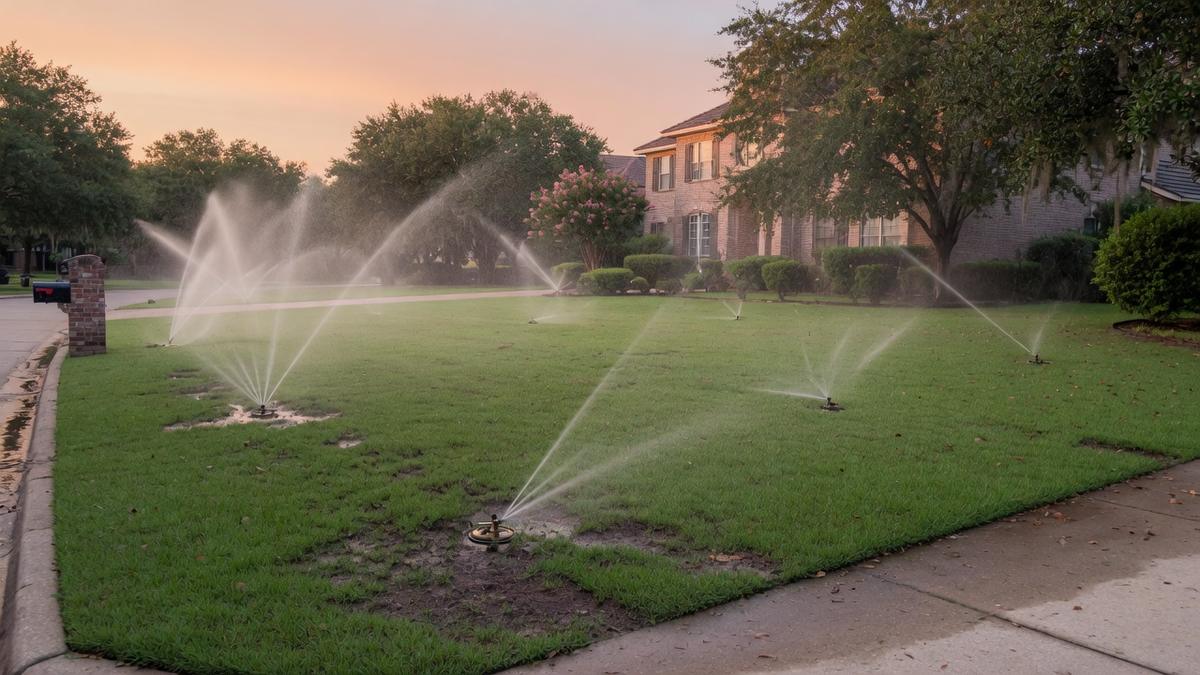
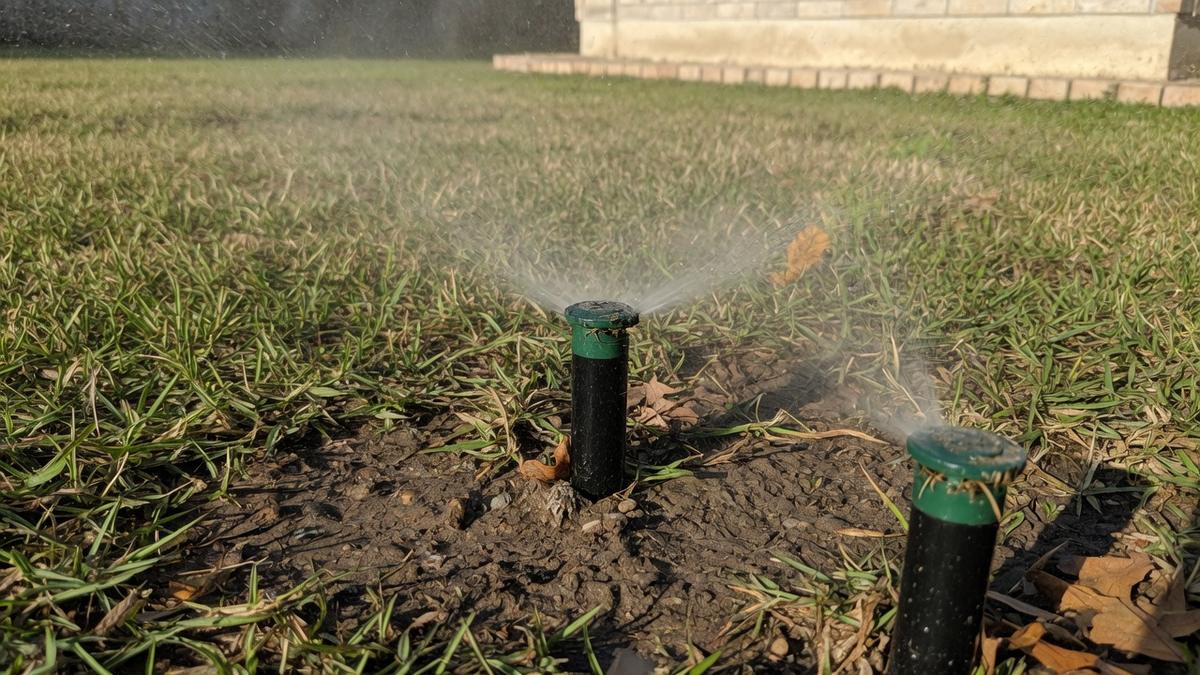
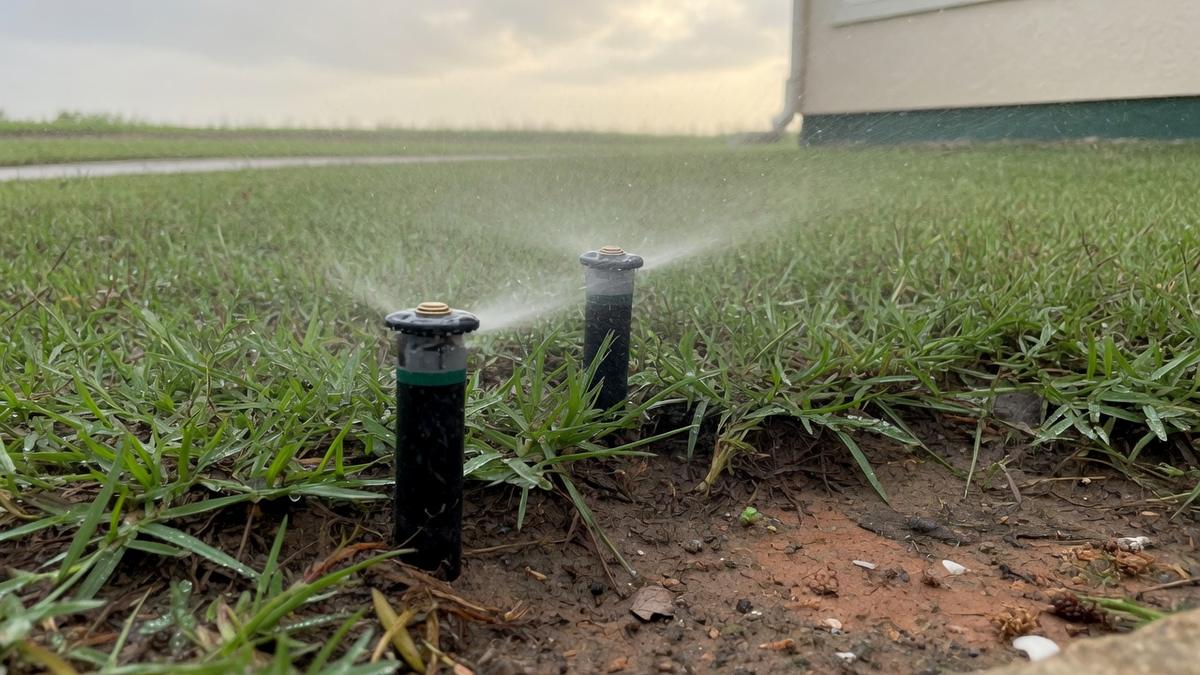
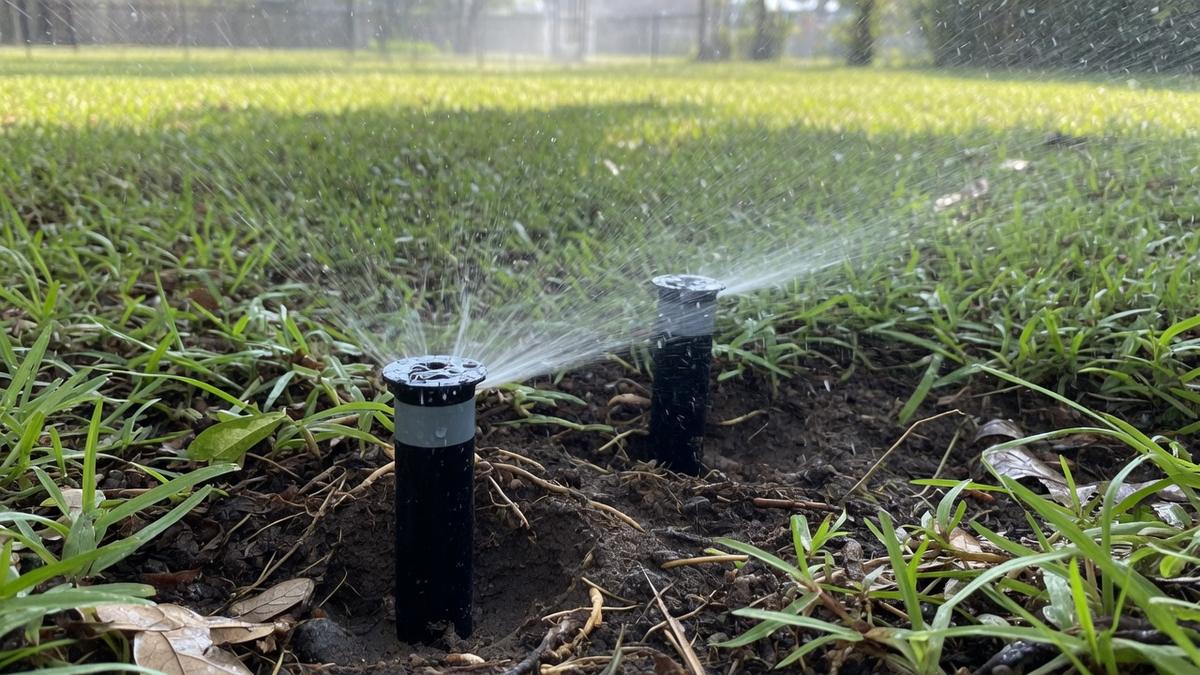
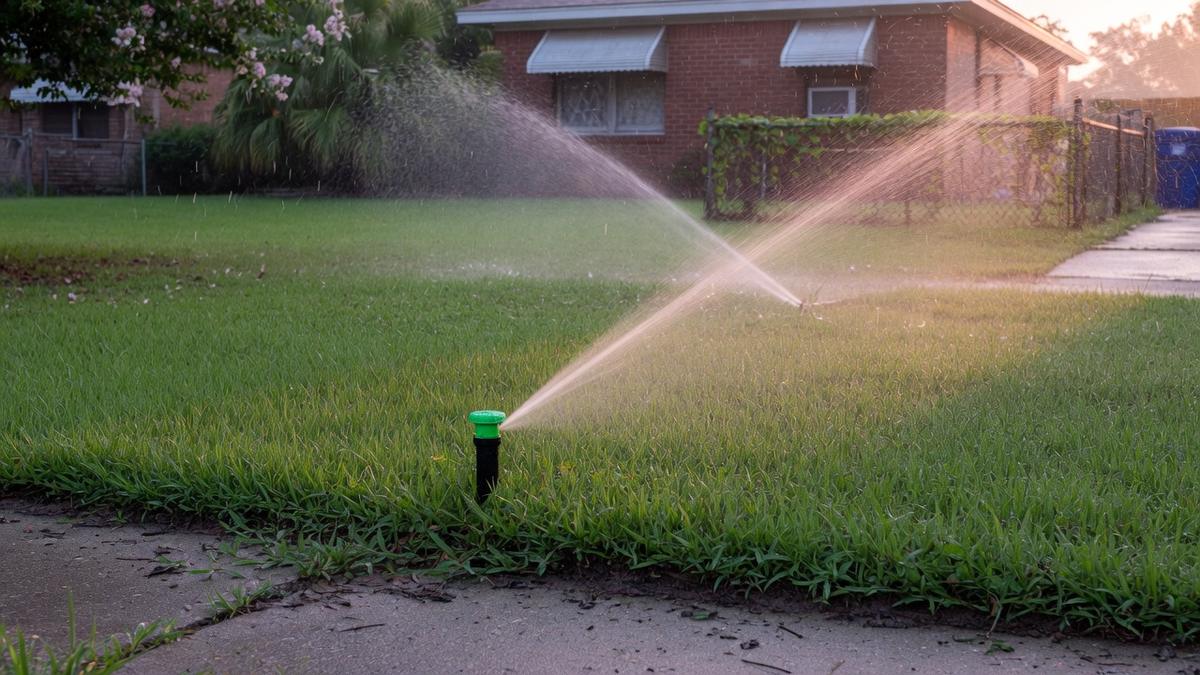
Water conservation is a pivotal issue in today’s environmentally conscious world. While green lawns are a symbol of care and beauty in home landscaping, inefficient irrigation systems can lead to wasteful water usage. One common issue homeowners face is sprinkler heads that spray more air than grass, resulting in a significant waste of water and money. Have you noticed your water bills skyrocketing during the watering season, even though your lawn isn’t looking its lushest? It might be time to take a closer look at your sprinkler system. The Issue with Inefficient Sprinklers Imagine turning on your sprinkler system, expecting a gentle rain to nourish your lawn, only to watch precious water misting into the air, carried off by the breeze. Not only does this scenario depict an inefficient use of water, but it also highlights a hit to your wallet with every drop that fails to reach its target. Why Does This Happen? Misaligned Sprinkler Heads – If sprinkler heads are not correctly aligned, they can end up watering sidewalks, driveways, or getting lost in the air instead of targeting the grass. Incorrect Pressure – Too much pressure can cause the water to atomize, resulting in a fine mist rather than droplets that adequately water the lawn. Worn Out Equipment – Over time, sprinkler heads can wear out, causing leaks or improper spraying patterns. Environmental Factors – Wind can easily carry away fine water droplets from misting sprinklers, reducing the efficiency of watering. The Consequences Misting sprinklers do more than just miss the mark; they can have tangible negative impacts. Wasted Water: Freshwater is a valuable resource, and wasting it is not only bad for the environment but also for municipal water supplies during dry seasons. Increased Costs: Water isn’t free, and with water coverage being less effective, you may find yourself running your sprinklers longer or more often, leading to higher water bills. Poor Lawn Health: When water doesn’t reach the roots effectively, your lawn can suffer. Patchiness, yellowing, and increased vulnerability to pests and diseases can result. Local Regulation Fines: In some areas, inefficient irrigation can result in penalties or fines if local water conservation regulations are in place. Solutions: Making Your Irrigation System Efficient Thankfully, there are steps you can take to ensure your sprinklers are efficiently watering your lawn, not the air. Regular Maintenance Checks Inspect and clean sprinkler heads regularly. Adjust the spray pattern and check the pressure. Replace worn or broken components promptly. Technology Upgrades Consider installing pressure-regulating devices to ensure optimal sprinkler performance. Upgrade to high-efficiency nozzles designed to resist wind drift and provide uniform water distribution. Utilize smart irrigation controllers that adjust watering based on weather conditions. Professional Evaluation Have a professional audit of your irrigation system. They can often spot inefficiencies that you might miss and suggest the best solutions for your specific landscape. Water at Optimal Times Water early in the morning or late in the evening to reduce evaporation. Be mindful of the weather. Turn off your system on windy or rainy days. The Takeaway While it’s easy to overlook sprinkler efficiency, taking the time to assess and optimize your system can lead to better water conservation, cost savings, and a healthier, greener lawn. And beyond individual benefits, using water wisely contributes to the greater good, protecting this essential resource for future generations. It’s a win-win scenario—cost savings for you, and a small but meaningful step towards a more sustainable planet. If you have any questions or need any type of sprinkler system repair, the experts at Houston Sprinkler Repair will be glad to help. Give us a call or 346-642-6161 to set an appointment.

Scroll to top
Call Now!